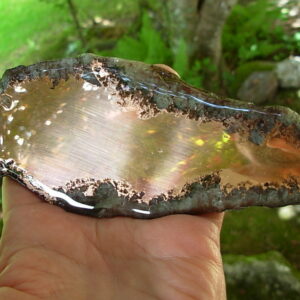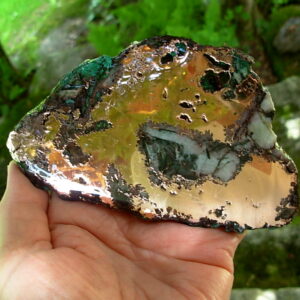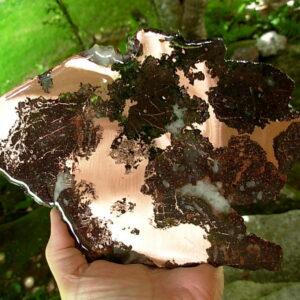
Copper Ore
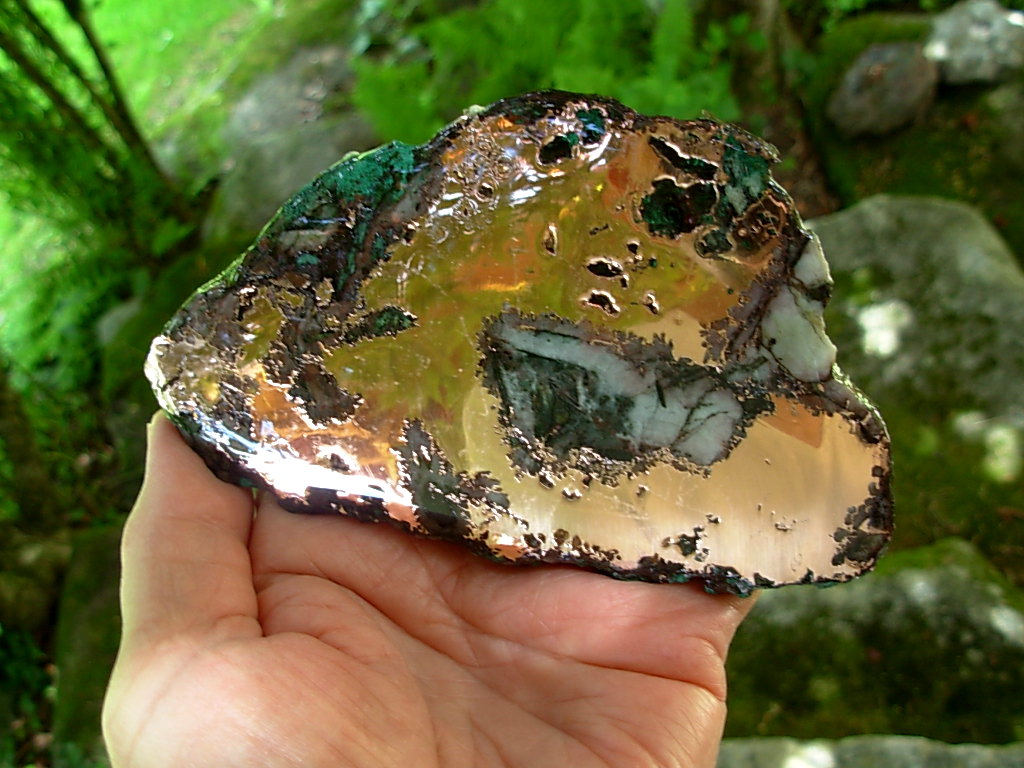

Copper ore comes from deposits that are natural accumulations of copper-containing minerals that can be mined to obtain copper metal. There are several types of copper ore deposits, each with its unique geological characteristics. Some of the common types of copper ore deposits are:
Porphyry Copper Ore Deposits These are the most common type of copper ore deposits. Porphyry copper deposits are large, low-grade deposits typically associated with intrusive igneous rocks. They form when copper-rich fluids flow from cooling magma and form copper minerals in the surrounding rocks.
Sediment-Hosted Copper Ore Deposits These deposits are formed through the accumulation of copper minerals in sedimentary rocks. They are normally associated with basins or rifts where sedimentary rocks have been shaped by tectonic activity resulting in the formation of copper.
VMS (Volcanogenic Massive Sulfide) Ore Deposits These are copper ore deposits formed from underwater volcanic activity. VMS deposits form when hot, metal-rich fluids flow from volcanic vents on the seafloor and mix with seawater, leading to the formation of copper minerals along with other metal sulfides.
Skarn Copper Ore Deposits Skarn deposits are formed when intrusive igneous rocks and carbonate-rich sedimentary or metamorphic rocks are touching each other. Copper-rich fluids mix with carbonate rocks, replacing carbonate minerals with copper minerals.
Replacement Copper Ore Deposits These deposits form when copper minerals replace existing minerals in rocks like limestone or dolomite as an example. This process is often the result of hydrothermal fluid being the catalyst to the deposit of copper minerals.
Oxide Copper Ore Deposits Oxide copper deposits are formed when copper minerals are oxidized by weather or environmental activity near the Earth’s surface. They are usually found in arid or semi-arid regions and are identified by finding copper oxides, such as malachite, chrysocolla and azurite.
Copper-Nickel Sulfide Ore Deposits These deposits are rich in copper and nickel. Copper-nickel sulfide deposits are mined for their nickel content, but also contain some copper.
These are some of the main types of copper ore deposits. The geology, mineralogy, and characteristics of copper ore deposits can vary greatly. Evaluating the different types of copper ore deposits determines the potential copper resources for mining and production.
Within the state of Michigan, copper ore is found almost exclusively in the western portion of the Upper Peninsula, in an area known as the Copper Country. The Copper Country is highly unusual among copper-mining districts, because copper is predominantly found in the form of pure copper metal (native copper) rather than the copper oxides or copper sulfides that form the copper ore at almost every other copper-mining district. The copper deposits occur in rocks of Precambrian age, in a thick sequence of northwest-dipping sandstones, conglomerates, ash beds, and flood basalts associated with the Keweenawan Rift.
The native copper ore deposits originate in fissures, steeply dipping veins or in the amygdaloid top portion of the Portage Lake Lava Series lava tops and conglomerate beds. This series of lava "is at least 15,000 feet thick in the Michigan copper district" and consists of "several hundred flood basalt flows." The district rocks are Precambrian in age and belong to the Keweenawan Series. The first six years of mining exploited the fissure deposits, then gave way to the amygdaloidal deposits.
Mining began on stratiform native copper deposits in felsite-pebble conglomerates and in the upper zones of basalt lava flows (locally called amygdaloids). Although amygdaloid and conglomerate deposits tended to be lower-grade than the fissure deposits, they were much larger, and could be mined much more efficiently, with the ore blasted out, hoisted to the surface, and sent to stamp mills located at a different site. Amygdaloid and conglomerate mining turned out to be much more productive and profitable than fissure mining, and the majority of highly successful mines were on amygdaloid or conglomerate lodes.
Fissure mining produces the purest form of Native Copper but was so labor intensive it was found to be financially limiting. Miners would chisel out pure copper by hand then have to remove large heavy pieces to the surface while also collecting the smaller chips and pieces, putting them into large containers which then got the name “barrel copper”
A number of copper mines also contained a notable amount of silver, both in native form and naturally alloyed with the copper. Halfbreed is the term for an ore sample that contains the pure copper and pure silver in the same piece of rock; it is only found in the native copper deposits of the Upper Peninsula of Michigan.