Meteorites Rocks From Outer Space!
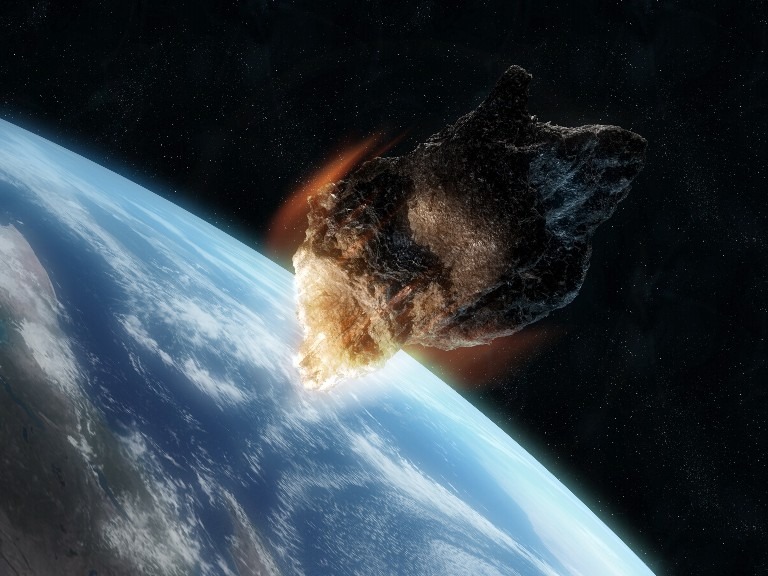
Meteorites have proven difficult to classify, but the three broadest groupings are stony, stony iron, and iron.
The most common meteorites are chondrites, which are stony meteorites. Radiometric dating of chondrites has placed them at the age of 4.55 billion years, which is the approximate age of the solar system. They are considered pristine samples of early solar system matter, although in many cases their properties have been modified by thermal metamorphism or icy alteration.
Some scientists have suggested that the different properties found in various chondrites suggest the location in which they were formed. Enstatite chondrites contain the most refractory elements and are believed to have formed in the inner solar system. Ordinary chondrites, being the most common type containing both volatile and oxidized elements, are thought to have formed in the inner asteroid belt. Carbonaceous chondrites, which have the highest proportions of volatile elements and are the most oxidized, are thought to have originated in even greater solar distances.
Achondrites are also stony meteorites, but they are considered reprocessed matter. They are formed by melting and recrystallization on or within meteorite parent bodies; as a result, achondrites have distinct textures and mineralogies indicative of igneous processes.

Stony meteorites
Chondrites (85.7%)
Carbonaceous
Enstatite
Achondrites (7.1%)
HED group
SNC group
Aubrites
Ureilites
Stony iron meteorites (1.5%)
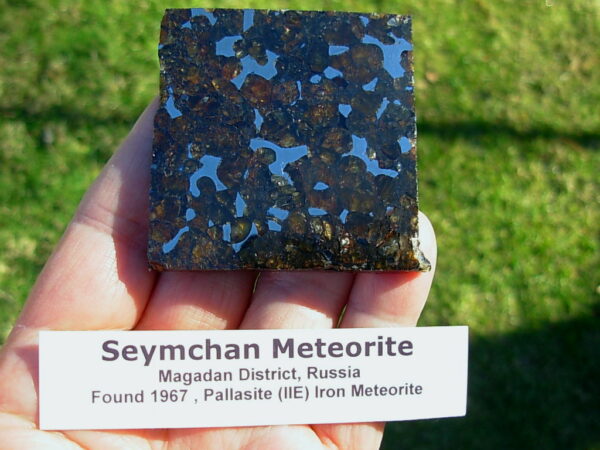
Pallasites
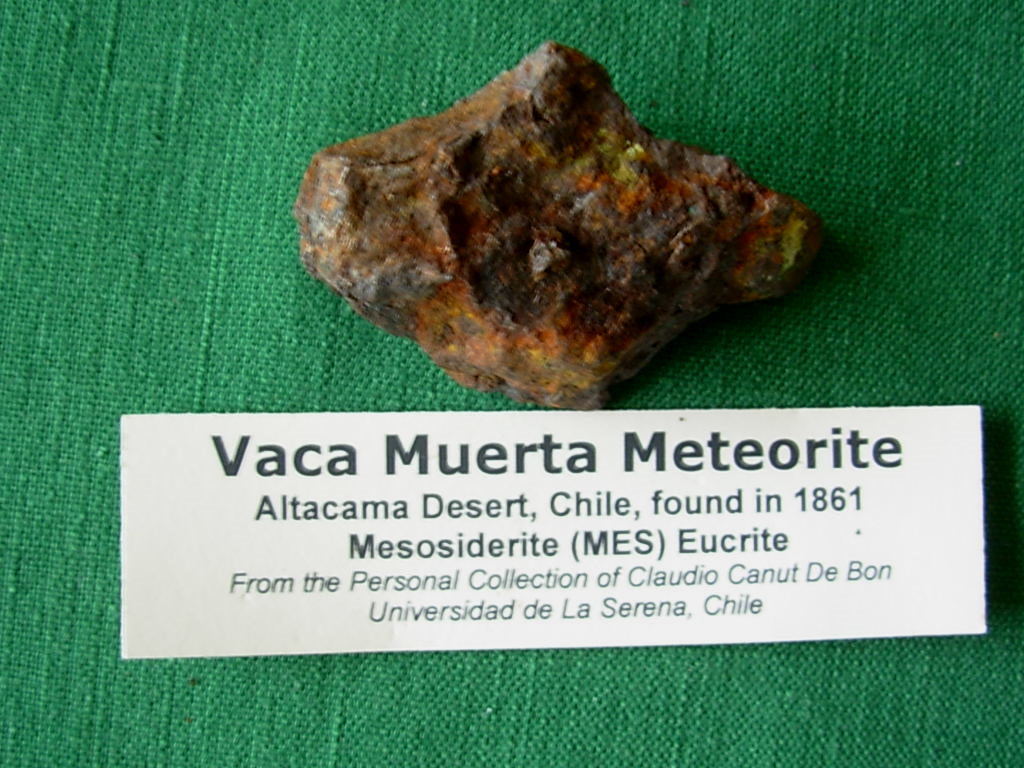
Mesosiderites
Iron meteorites (5.7%)
A "fall" means the meteorite was witnessed by someone as it fell from the sky. A "find" means the meteorite was not witnessed and the meteorite was found after the fact. About 33% of the meteorites are witnessed falls. A very large number of meteoroids enter the Earth's atmosphere each day amounting to more than a hundred tons of material. But they are almost all very small, just a few milligrams each. Only the largest ones ever reach the surface to become meteorites. The largest found meteorite,Hoba, in Namibia, weighs 60 tons.
The average meteoroid enters the atmosphere at between 10 and 70 km/sec. All but the very largest are quickly decelerated to a few hundred km/hour by atmospheric friction and hit the Earth's surface with very little fanfare. However meteoroids larger than a few hundred tons are slowed very little; only these large (and fortunately rare) ones make craters.
A good example of what happens when a small asteroid hits the Earth is Barringer Crater (a.k.a. Meteor Crater) near Winslow, Arizona. It was formed about 50,000 years ago by an iron meteor about 30-50 meters in diameter. The crater is 1200 meters in diameter and 200 meters deep. About 120 impact craters have been identified on the Earth, so far...
Iron Meteorites
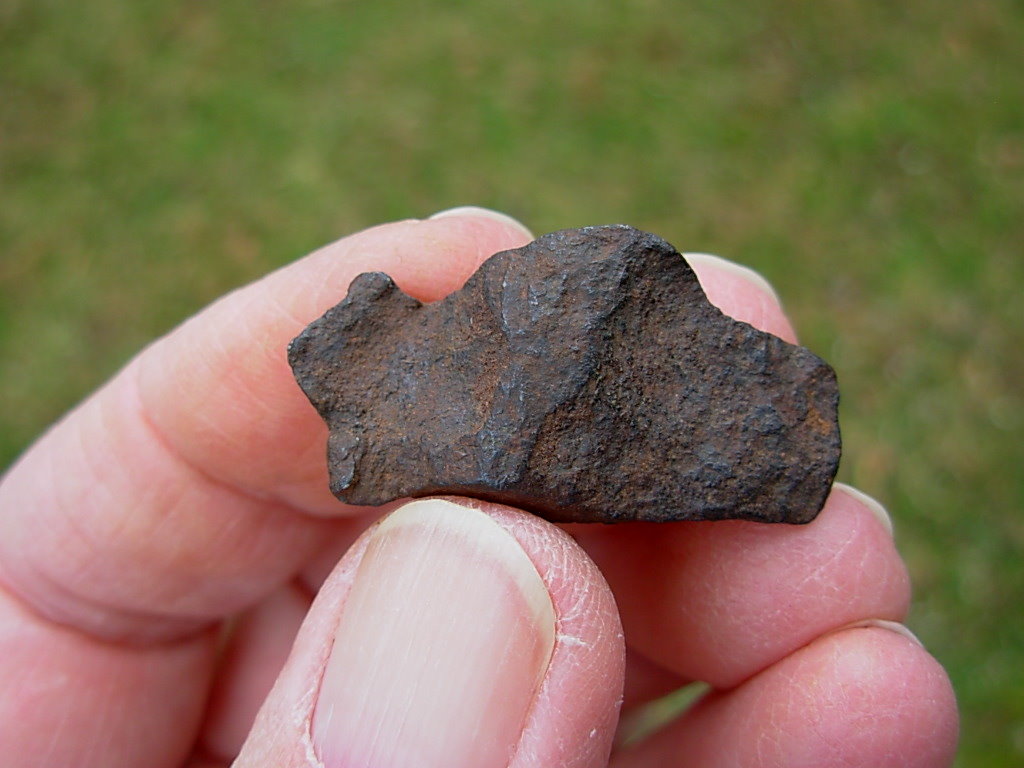
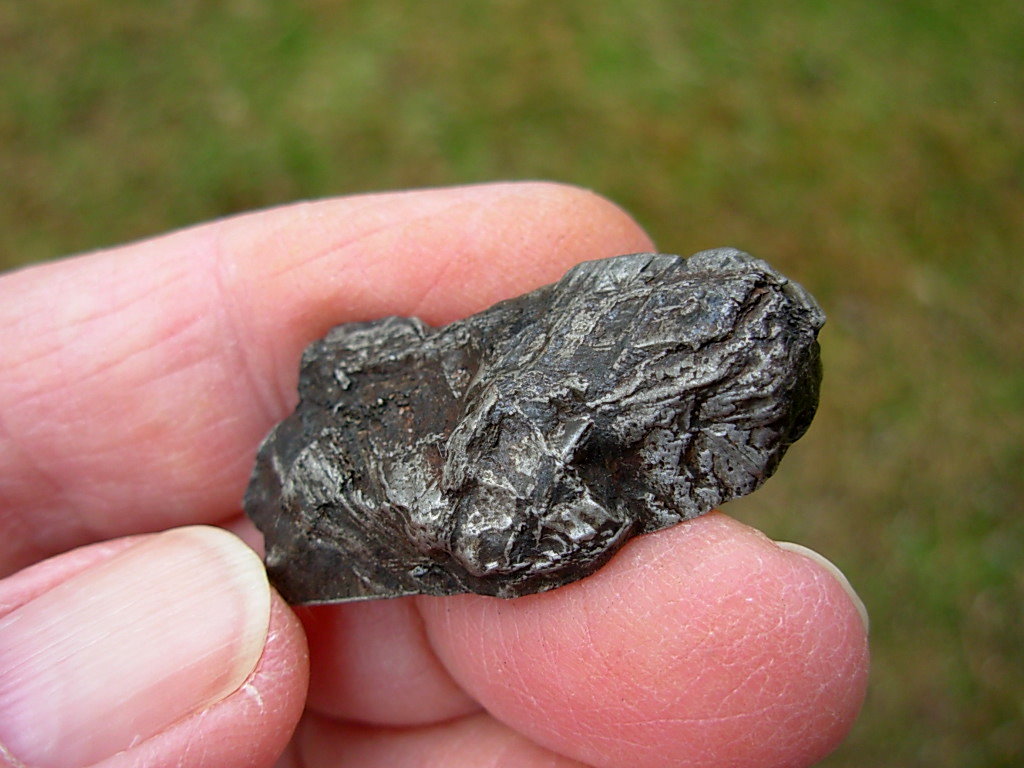
Iron meteorites are composed almost entirely of nickel-iron. They often have mineral inclusions and are believed to originate from the core of large asteroids. Iron meteorites are often grouped into three large categories, based upon the chemical composition and structure:
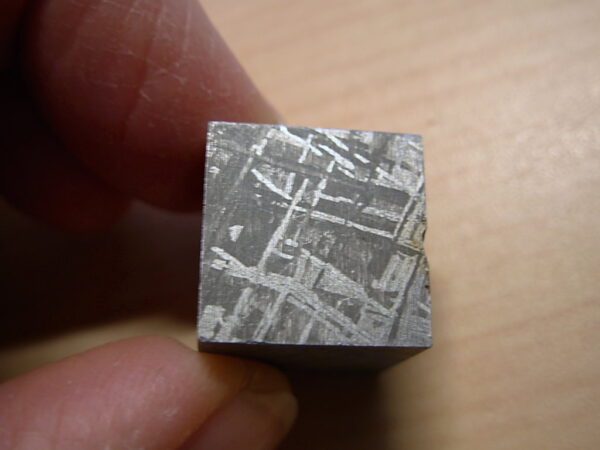
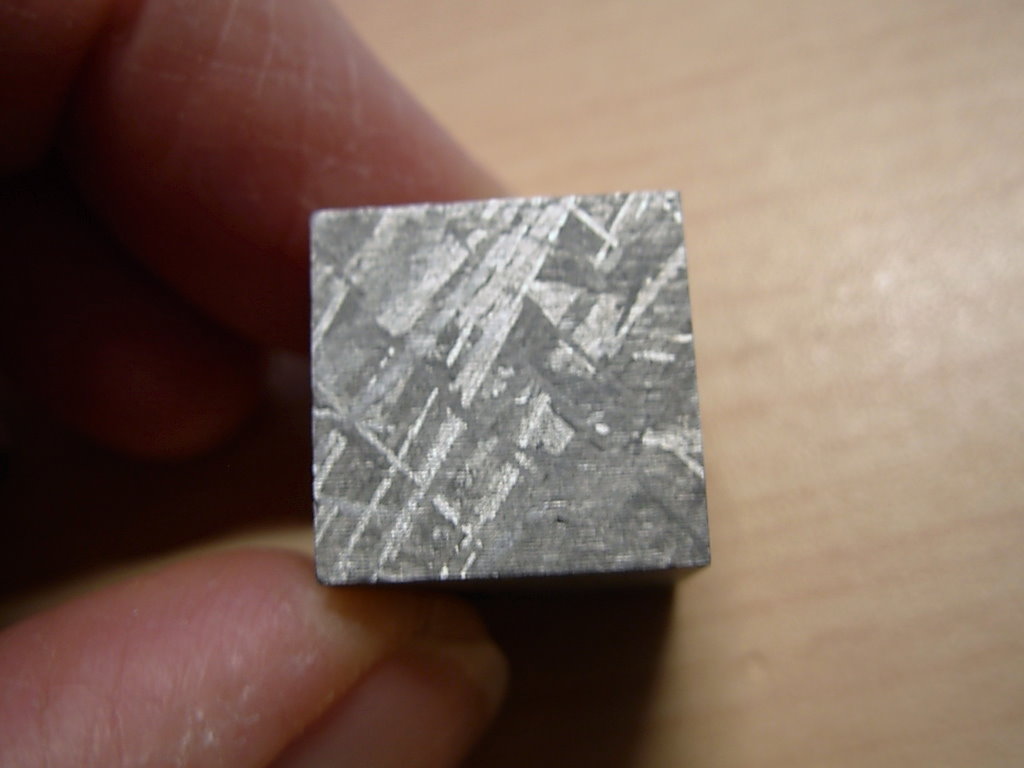
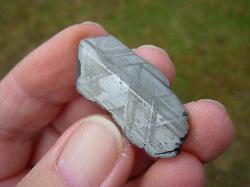
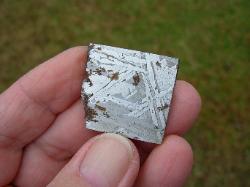
Octahedrite iron meteorites contain about 7 to 10% nickel. When sliced and etched with acid, they display bands call "widmanstatten" bands. A further subdivision of octahedrites is made based upon the width of the bands: fine, medium, coarse, and coarsest. The bands narrows with increasing nickel content.
Hexahedrite iron meteorites contain a relatively low amount of nickel (approximately 6% or less) and when etched with acid, show very thin lines called "Neumann lines" which have a hexahedral structure.
Ataxite iron meteorites are the highest in nickel content (approximately 16% or more) and show no structure when etched with acid.
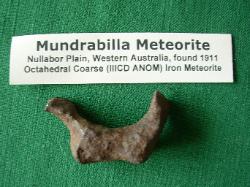
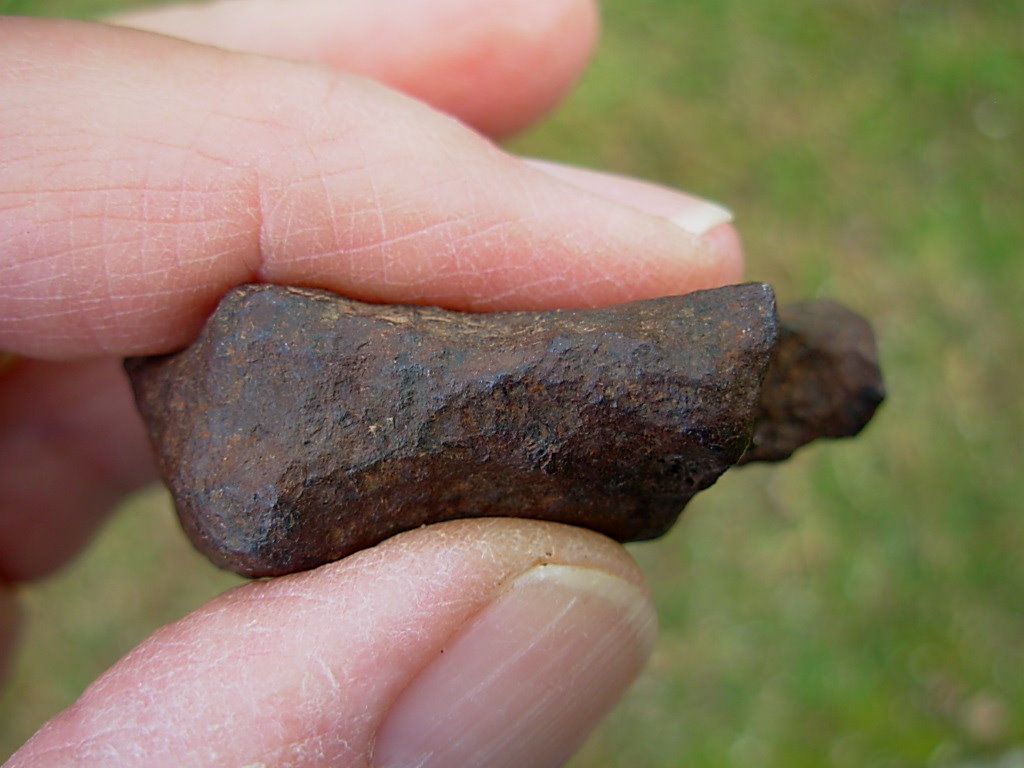
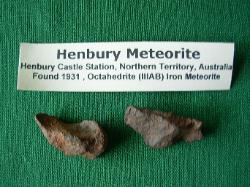
Click on the Meteorite Name to go to that Page
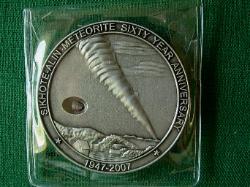
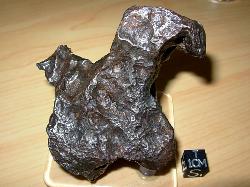
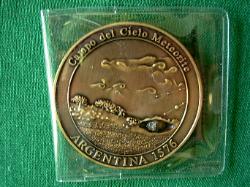
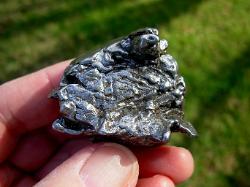
Stoney Iron Meteorites
Stony-iron meteorites are composed of approximately 50% nickel-iron and 50% silicate material. They make up only 1 to 2% of all meteorites. There two large subgroups:
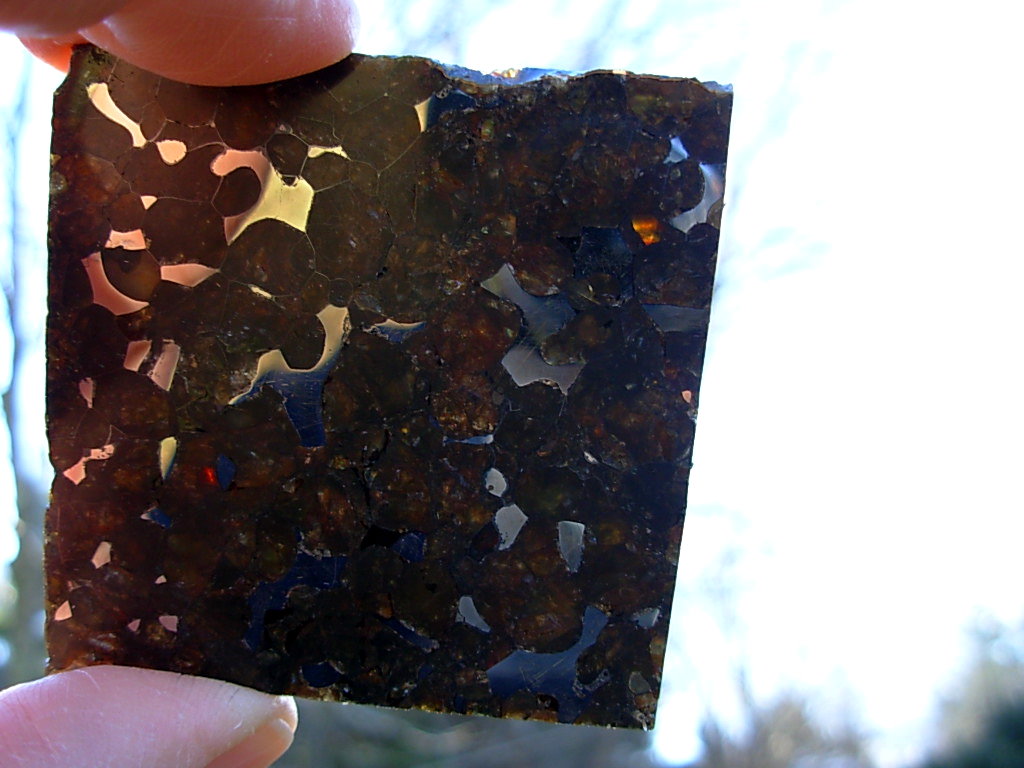
Pallasites are composed of olivine crystals set in a nickel-iron matrix. They are believed to form at the core-mantle boundary of a large asteroid. When cut and polished, they are among the most beautiful of meteorites.
Mesosiderites are a mixture of metal grains, pyroxene, olivine, and plagioclas. It is believed that mesosiderites are formed when two asteroids, one metal-rich and the other silicate-rich, collide in a violent impact.
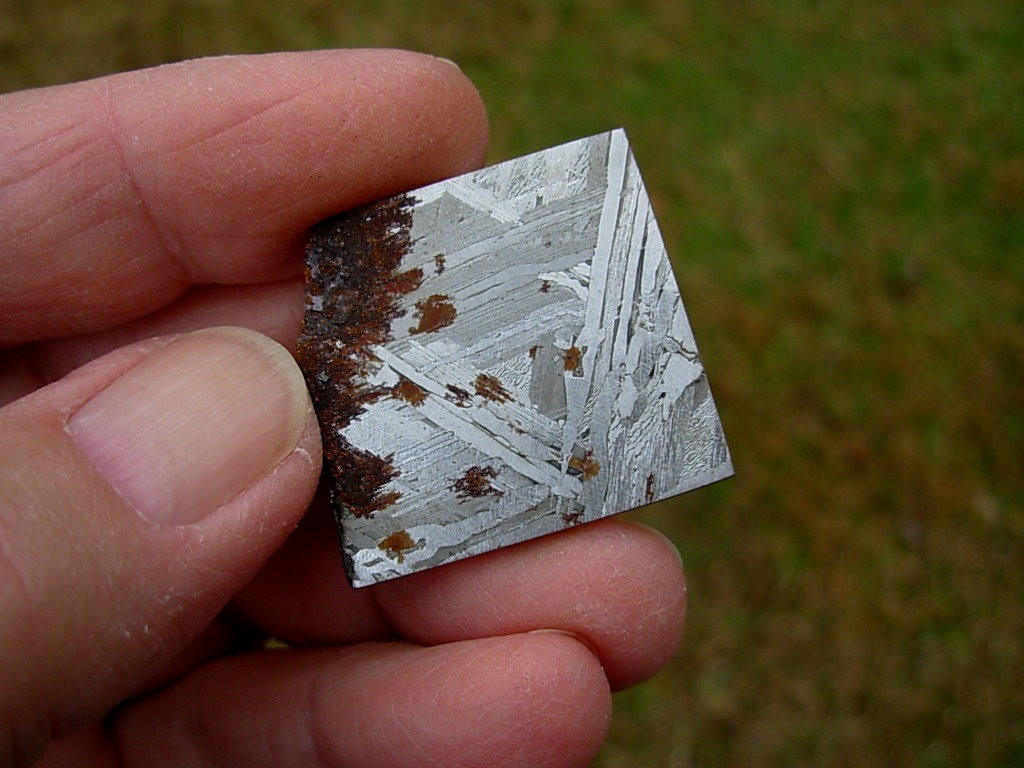
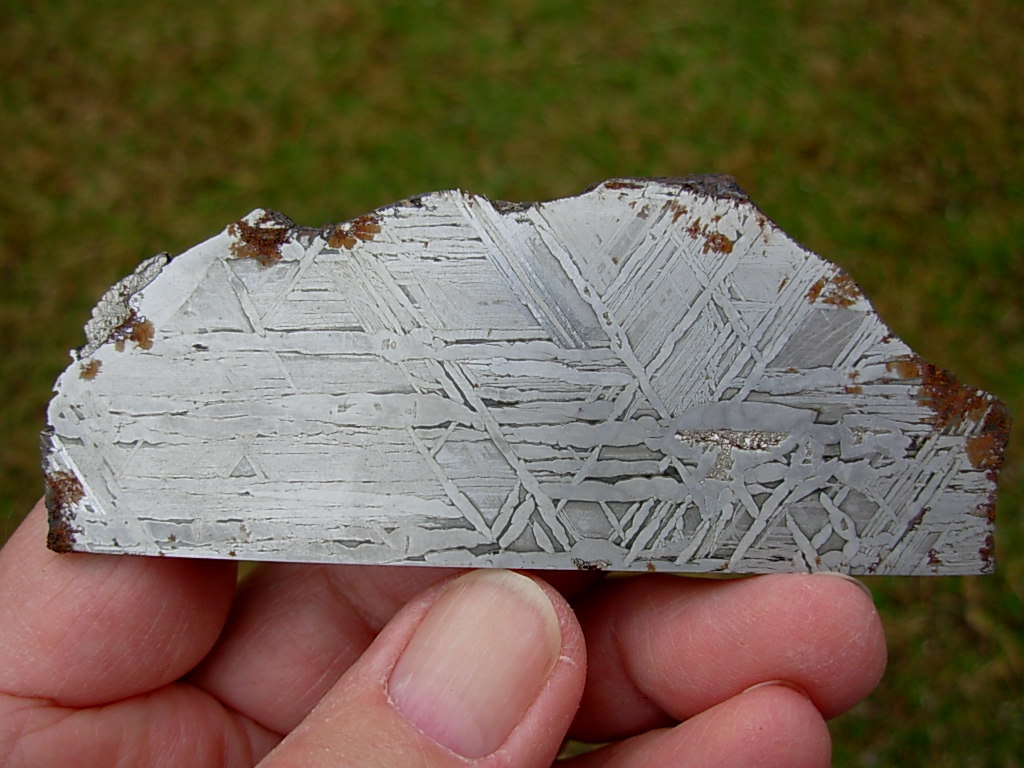
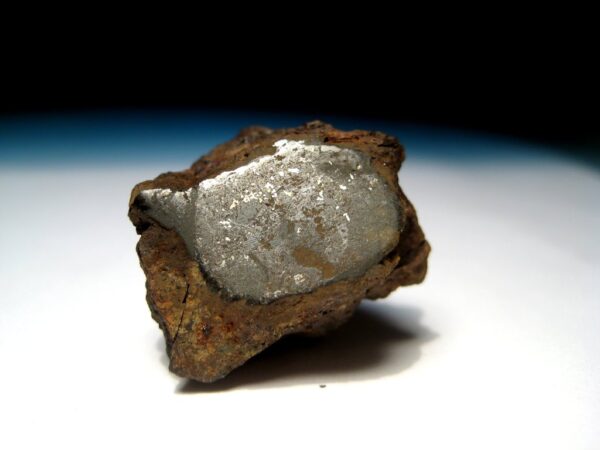
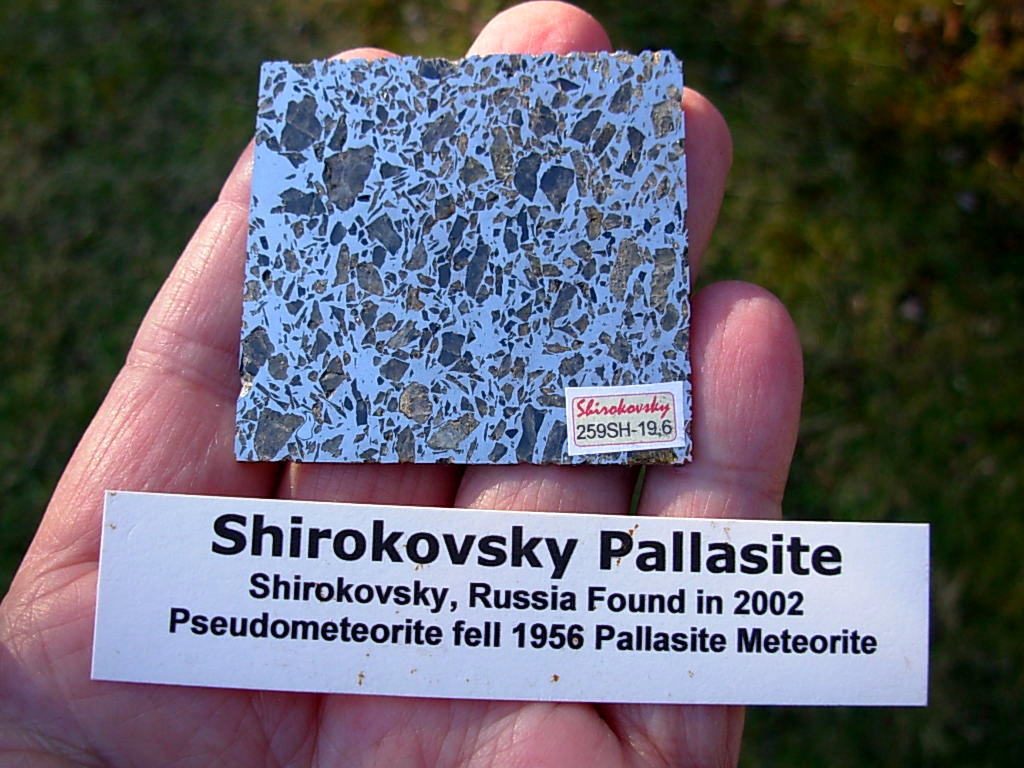
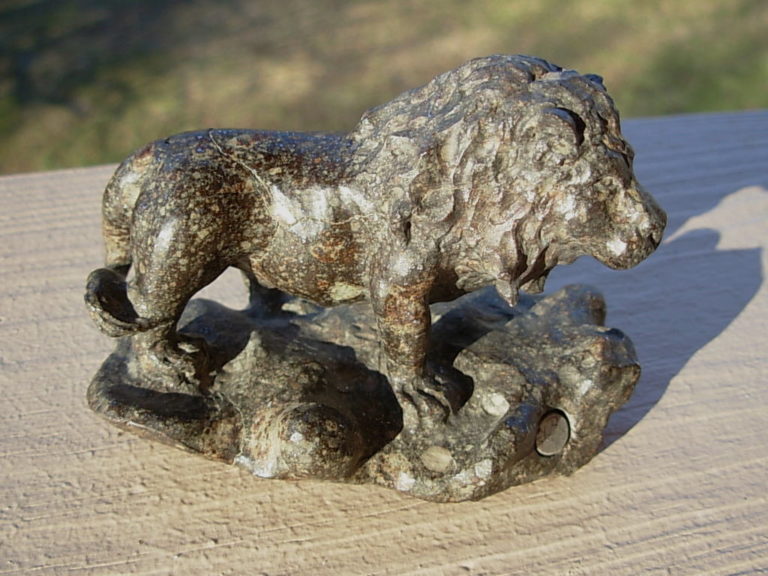
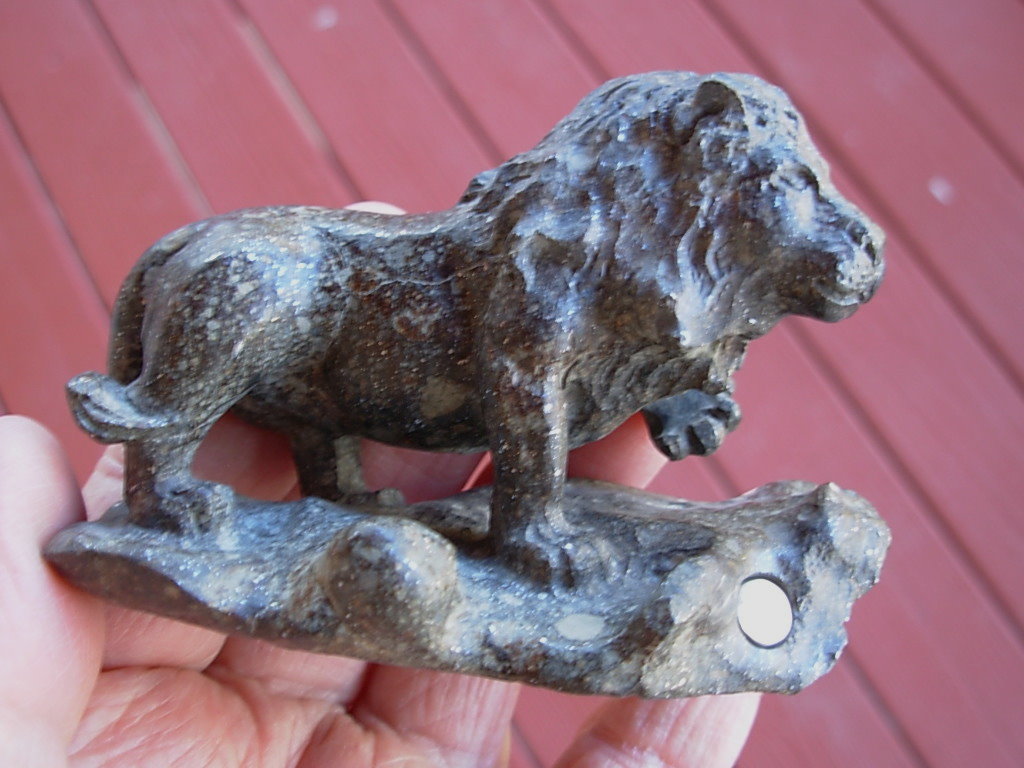
Shirokovsky Pallasite
Pseudo-Meteorite aka "Meteor Wrong"
Shirokovsky Reservoir , Russia
This is the story of a find that was declared to be a Meteorite, was sold for high dollar amounts in a fervor of greedy buyers and was later on determined that it was in fact NOT a true meteorite. Very interesting story....we even had one for a while....
Tektites and Desert Glass
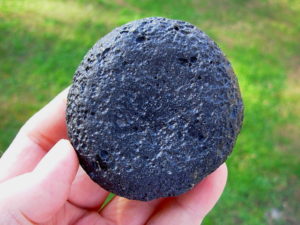
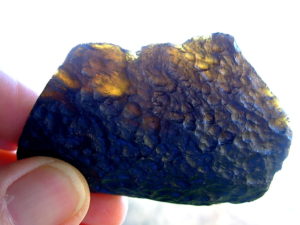
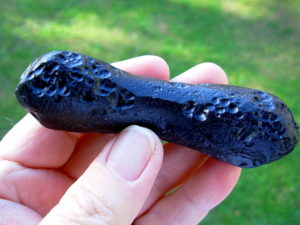
Tektites are found in areas where asteroids, comets or meteors have impacted with the Earth. A number of previous theories describing their origin have been discussed, including coming from lunar volcanoes or lunar impact events. These theories are no longer taken seriously by scientists. It has now been scientifically agreed that tektites are terrestrial rock melted and blown into the atmosphere by the explosive force of an asteroid, comet or meteor impact. The tektites form as the molten rock is solidified while being cooled as they fall back to earth through the atmosphere.
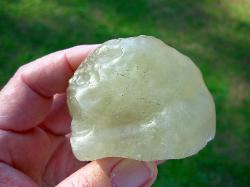
Libyan Desert Glass Libyan Desert Glass is found in Egypt in an exceptionally remote area. The natural question then follows ... Has any Desert Glass been found in Egyptian tombs? It has...it was found In King Tut's tomb. The photo below of King Tut's breastplate (from the King Tut Museum Exhibit) shows a carved yellow scarab as it's centerpiece. For many years it was thought to be made of chalcedony; this scarab has now been confirmed to be Libyan Desert Glass.